In Nigeria’s aviation space, time is more than a number on a boarding pass, it is a test of trust.
For many travelers, the experience is all too familiar. Early morning departures that quietly slip into midday takeoffs, unexplained delays stretching into hours, and the subtle but mounting frustration of missed meetings, disrupted plans, and long waits in crowded terminals. Over time, these delays have shaped a passenger expectation, not in a good way.
But a new operational mindset is beginning to take root, driven by BINANI AIR’s determination to tackle one of the industry’s most persistent pain points: punctuality.
Across the country, delayed flights are often blamed on a mix of factors – weather disruptions, infrastructure limitations, air traffic congestion, and sometimes internal inefficiencies. While many of these challenges are systemic, passengers rarely distinguish between causes. What they feel is simple: lost time.
For business travelers, delays translate into missed opportunities. For families, they mean longer, more exhausting journeys. And for the aviation industry, they quietly erode confidence.
Against this backdrop, BINANI AIR is building its operations around a principle that sounds simple but is difficult to execute consistently: respect for passengers’ time.
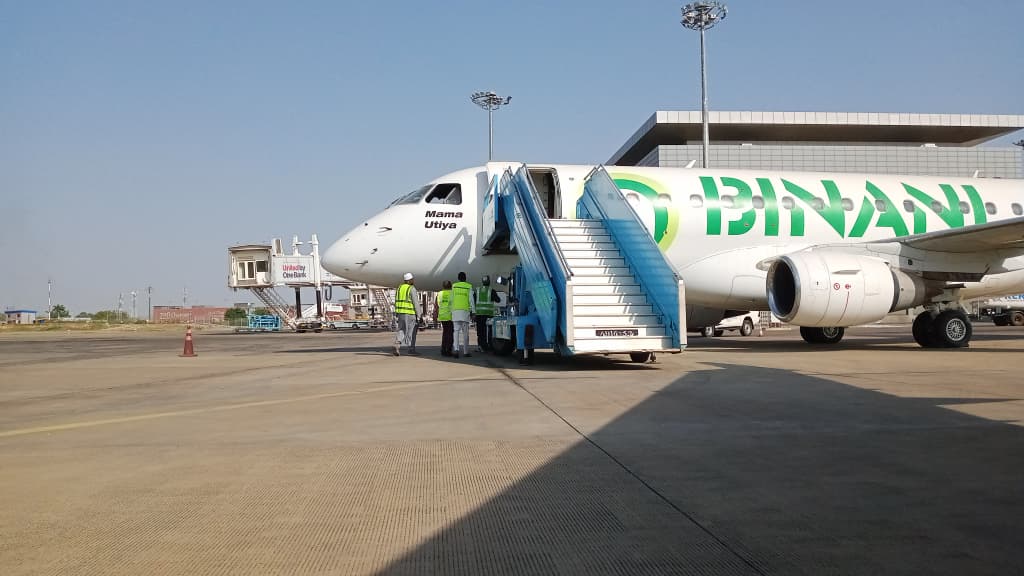
Insiders within the airline describe a system that prioritizes discipline long before passengers arrive at the airport. Flight schedules are not treated as flexible targets, but as commitments. Aircraft turnaround times are carefully structured, with ground operations team trained to work tightly coordinated windows.
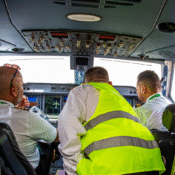
Crew members undergo scenario-based training that simulates real-world disruptions – from late arrivals to technical checks, with an emphasis on quick, coordinated responses rather than reactive decision-making.
“There is a deliberate shift from managing delays to preventing them”, one operations staff member noted during a behind-the-scenes briefing.
What sets BINANI AIR apart is not just what happens in the air, but what happens hours before departure.
Flight planning teams reportedly factor in buffer times, realistic route assessment, and contingency measures that allow for flexibility without derailing schedules. Maintenance checks are conducted with a preventive mindset, reducing the likelihood of last-minute technical issues, a common cause of delays across the industry.
Even boarding processes are being rethought. By streamlining passenger flow and tightening pre-departure protocols, the airline aims to close aircraft doors on schedule, a small detail that often determines whether a flight departs on time or joins the queue of delays.
Perhaps the most significant shift is cultural.
Punctuality in this context is not just an operational goal, but a shared responsibility. From ground staff to cockpit crew, there is a growing emphasis on accountability, the understanding that every minute saved or lost is part of a larger passenger experience.
Industry observers say this approach, if sustained, could set a new benchmark in air travel and aviation, where on-time performance has long been treated as aspirational rather than standard.
For passengers, the promise of reliability is powerful.
An airline that departs and arrives on time as scheduled, does more than move people – it restores confidence in the system. It allows travelers to plan with certainty, reduces airport fatigue, and gradually reshapes expectations.
While challenges within Nigeria’s aviation ecosystem remain, this renewed focus on operational discipline suggests that improvement is possible, not through sweeping promises, but through consistent everyday execution.
In an industry where delays have become almost routine, choosing to prioritize time may seem like a small effort for passengers waiting at the gate, it could make all the difference.